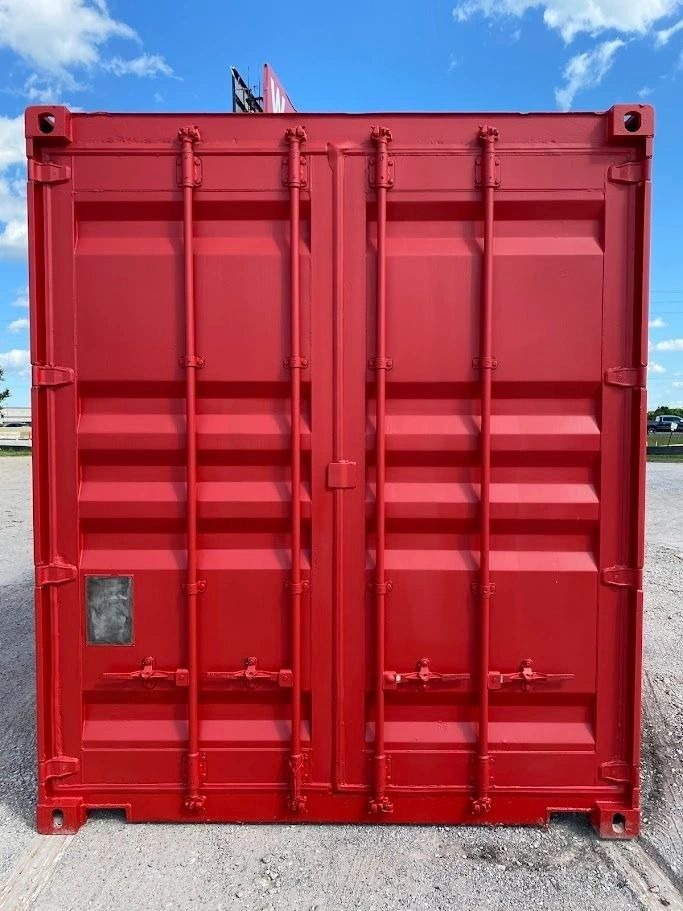
The Versatile World of 45 Containers: An In-Depth Exploration
In current years, the basic shipping container has actually ended up being an ubiquitous aspect of international trade. Amongst different sizes available, the 45-foot shipping container has gained substantial traction. This post dives into the various usages, benefits, and specifications of 45 containers, supplying a comprehensive overview for services and individuals aiming to utilize them.
What Are 45 Containers?
A 45-foot container becomes part of the ISO (International Organization for Standardization) specs for cargo containers. Typically built from long lasting steel, these containers are developed to endure diverse ecological conditions. Their extended length of 45 feet, compared to the more typical 20-foot and 40-foot containers, permits greater cargo capability while preserving a standardized design.
Standard Specifications of 45 Containers
| Specification | Details |
|---|---|
| External Length | 45 feet (13.7 meters) |
| External Width | 8 feet (2.44 meters) |
| External Height | 9.5 feet (2.9 meters) |
| Internal Length | 44.5 feet (13.56 meters) |
| Internal Width | 7.7 feet (2.35 meters) |
| Internal Height | 8.5 feet (2.59 meters) |
| Maximum Payload | Generally around 30,000 to 33,000 pounds (13,607 to 14,969 kg) |
| Tare Weight | Approximately 8,500 to 9,500 pounds (3,856 to 4,309 kg) |
Uses of 45 Containers
The adaptability of 45 containers allows them to be used for a wide variety of applications throughout different industries. Here is a list of typical uses:
- Shipping and Logistics: Primarily used for transporting large quantities of products throughout oceans and land.
- Storage Solutions: Ideal for companies requiring extra storage area, whether short-term or long-term.
- Portable Offices: Easily converted into office spaces for building and construction sites or remote places.
- Residential Projects: Increasingly popular for modern housing services, container homes are sustainable and cost-effective.
- Retail Spaces: Reimagined as distinct stores for pop-up stores or food stalls.
- Workshops and Studios: Suitable for artists or craftspeople needing dedicated space.
- Emergency situation Shelters: Used for real estate displaced individuals in catastrophe areas due to their portability and durability.
Advantages of 45 Containers
Picking a 45 container for various uses comes with many benefits. Below is a list detailing some of the primary advantages:
- Increased Capacity: The larger size permits for more cargo without sacrificing the number of containers needed.
- Expense Efficiency: Shipping in 45-foot containers can be more cost-effective for bulk products compared to smaller containers.
- Sturdiness: Made from corrosion-resistant steel, these containers are developed to last and can stand up to severe environments.
- Eco-Friendly Options: Many containers can be recycled or repurposed, contributing to sustainability efforts in different markets.
- Versatility: They can be customized to fulfill particular requirements, making them exceptionally versatile.
- Security: With lockable doors, items saved in a 45 container are normally safe from theft and vandalism.
Limitations of 45 Containers
While 45 containers have lots of advantages, it's also necessary to know their constraints:
- Space Requirements: Their size requires adequate space for positioning and control, potentially limiting alternatives in congested locations.
- Transport Costs: Although shipping larger loads can decrease expenses per system, the initial transportation costs may be higher.
- Regulations: There may be zoning laws or regulations that restrict where containers can be placed or modified.
Regularly Asked Questions (FAQs)
1. How do I transfer a 45-foot container?
Transporting a 45-foot container generally needs a flatbed truck or a specialized shipping container transport service. It's vital to examine local policies concerning container transportation and ensure that you employ experienced professionals.
2. Can I customize a 45 container for individual usage?
Yes, numerous individuals choose to modify containers for individual tasks such as homes, studios, or offices. However, cogcontainersltd.com that any modifications abide by regional structure codes and regulations.
3. What is the cost of renting vs. buying a 45 container?
Costs can differ substantially depending upon place, condition, and schedule. Leasing a 45 container normally ranges from ₤ 100 to ₤ 300 per month, while acquiring one can range from ₤ 3,000 to ₤ 7,000 or more, depending on condition and adjustments.
4. Are 45 containers waterproof and weatherproof?
When sealed effectively, 45 containers are created to be water resistant and resistant to weather conditions. Nevertheless, it's recommended to perform routine upkeep checks to ensure they remain in good condition.
5. How can I ensure my container is protected?
To boost the security of a 45 container, think about using sturdy locks, security seals, and area in a well-lit or monitored location. Some owner-operators likewise install alarm for added defense.
The 45 container stands as a testimony to efficiency and adaptability in shipping and storage. Its unique specs accommodate a myriad of uses throughout different markets, from logistics and shipping to residential and commercial applications. Understanding the benefits and limitations is essential for companies and individuals considering using 45 containers.
As worldwide trade continues to expand, the importance of 45 containers is anticipated to grow, making them an indispensable resource for ingenious services in contemporary transportation and building. Whether for shipping goods or repurposing into individualized areas, the 45 container remains a versatile choice in today's busy world.